What was going on?
Northfield, a site removed from the Green Belt in Oxfordshire, had been allocated in the Local Plan for up to 1,800 homes.
Through the allocation process, vocal opposition emerged, particularly around the location of new housing. L&Q Estates (now Urban&Civic) and Oxfordshire County Council wanted to ensure any future decisions were informed by a representative understanding of community opinion.
With big ambitions to deliver a distinctive new neighourhood, they turned to us to help build a broader understanding of community sentiment and provide evidence needed for confident decision-making.
How we helped
Our multi-channel engagement strategy gave everyone a fair opportunity to understand the proposals and have their voice heard.
A broad-reaching communication campaign, including social media adverts, press coverage and leaflet distribution to 5,000 homes, helped raise awareness and encourage participation across a diverse audience.
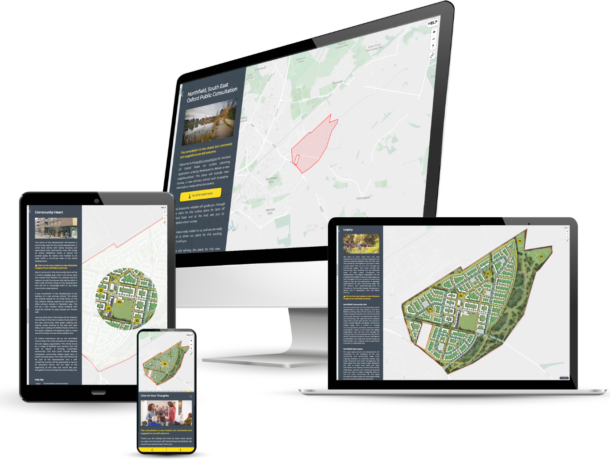
At the heart of the engagement was an accessible engagement website, using jargon-free language and visual storytelling to broaden comprehension of the proposals and support informed feedback. To facilitate two-way dialogue, we hosted in-person events in the areas most impacted. Online drop-in sessions offered additional opportunities for conversation with the project team.
Evidence Over Assumptions
What did we find?
Our response analysis uncovered a diverse and nuanced insight into community opinion.
Geographic trends revealed that vocal opposition was concentrated within specific localised areas. Across the wider study area, support for the project and its key design principles were significantly more prominent, giving the project team the data-backed confidence needed to finalise the scheme design.
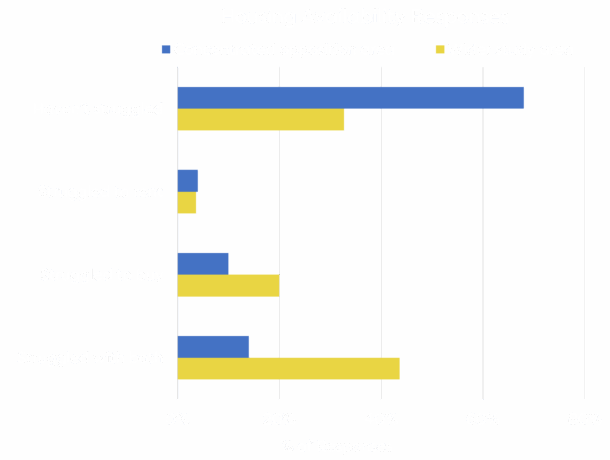
Housing need emerged as one of the clearest differences between communities. Across the wider study area, 69% of respondents had either struggled themselves, or knew somebody who had struggled to rent or buy a home locally. Around 70% of these respondents were aged under 35, highlighting how housing accessibility was shaping views on the proposals.
This compared to just 28% within the area where opposition was most concentrated.
Understanding Local Perspectives
Not all communities think alike
People’s views are shaped by their circumstances, experiences, and relationship with a place.
At Northfield, analysing responses by location and demographic revealed patterns that would have been lost in the overall results alone. Understanding these differences helped build a more complete picture of community sentiment, ensuring decisions were informed by a broader understanding of local perspectives rather than a single headline view.
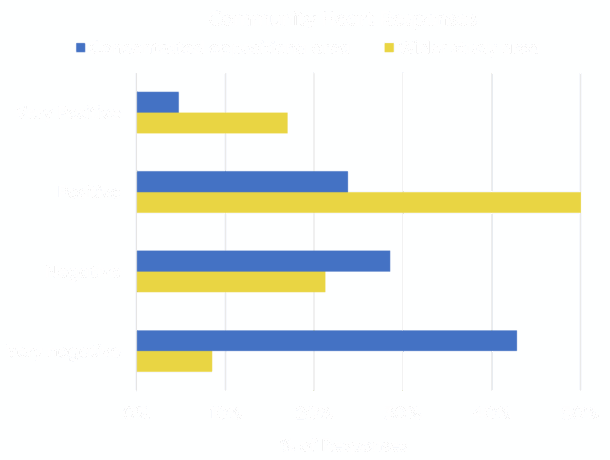
For example, demand for walkable neighbourhoods was particularly strong amongst younger respondents, with 73.5% of under 35s wanting key amenities within walking distance.
Support for the proposed community heart also varied significantly across different communities. Whilst 76% of respondents across the wider study area viewed the proposal positively, this dropped to 31% within the area where opposition was most concentrated.
Younger respondents were particularly enthusiastic, accounting for 80% of all very positive responses towards the community heart.
Some participants went as far as to describe Northfield as their ideal future home.
Removing Barriers to Participation
Opening up the conversation
Some people prefer face-to-face conversations, whilst others want the flexibility to engage with information at a time that suits them.
Analysis of engagement data from across our portfolio shows that 43% of feedback is submitted outside traditional working hours, highlighting the importance of providing opportunities to participate beyond scheduled events.
Nearly 4,500 unique visitors engaged with the proposals online, opening the conversation to younger and quieter who audiences may not otherwise have participated.
By creating multiple routes into the conversation, we provided more people with the opportunity to participate, helping to build a more holistic view of community sentiment.
Accessibility for all

Carefully Crafted Questions

Representative Response Analysis

Language Everyone can Understand

Engaging Tools